A tooth extraction is always a last resort. Dr. Hinman's first instinct is to save a tooth whenever possible. But there are situations where removal is the safest option:
Severe decay. When a cavity has progressed to the point where too little healthy tooth structure remains to support a filling or crown, extraction may be necessary.
Advanced gum disease. Periodontitis can destroy the bone that holds a tooth in place, causing it to loosen. Once a tooth can't be stabilized, removal becomes the best option to protect surrounding teeth and bone.
Dental trauma. A tooth broken in an accident or injury may not be repairable. Extraction prevents infection and further damage.
Infection. If a tooth is infected and can't be resolved with a root canal or antibiotics, extraction may be necessary to prevent the spread.
Overcrowding. In preparation for orthodontic treatment, a tooth may need to be removed to create space.
Before recommending an extraction, Dr. Hinman will review your X-rays and discuss all available options. If there's a way to save the tooth, he'll tell you.
Understanding what to expect takes away most of the anxiety.
1. Assessment and X-rays. Dr. Hinman reviews X-rays to understand the position and shape of the tooth root before proceeding.
2. Numbing the area. A local anesthetic is used to numb the tooth, gum, and surrounding area completely. You will not feel pain, only pressure and movement. If you're anxious about the injection, let us know. We go slowly.
3. Loosening and removing the tooth. Using specialized instruments, Dr. Hinman gently loosens the tooth from the socket, then removes it. Most simple extractions take only a few minutes once the area is numb.
4. Managing the site. Gauze is placed over the socket to control bleeding. Dr. Hinman will walk you through aftercare instructions before you leave.
The appointment typically takes 45 to 60 minutes from start to finish.
Recovery after a simple tooth extraction is usually smoother than patients expect.
The first 24 hours are the most important. A blood clot forms in the socket, and protecting it matters.
During the first 24 hours: bite gently on gauze to control bleeding, apply an ice pack to your cheek (10 minutes on, 10 minutes off) for swelling, rest and avoid strenuous activity, and do not rinse, spit forcefully, or use a straw, as these actions can dislodge the clot.
Days 2 to 3: some swelling and discomfort are normal. Swelling typically peaks around day 3 before improving. Over-the-counter pain relief (ibuprofen or acetaminophen) is usually sufficient.
Days 4 to 7: most patients notice significant improvement by day 4. You'll be eating more normally by the end of the week.
Full healing: gum tissue typically closes within 1 to 2 weeks. The underlying bone takes 3 to 6 months to fully heal.
Foods to eat: soft foods like yogurt, mashed potatoes, scrambled eggs, soup (not too hot), and ice cream. Gradually reintroduce solid foods as comfort allows.
Foods to avoid: crunchy, hard, chewy, or sticky foods for the first week. Very hot drinks. Alcohol. Smoking or vaping, as these significantly slow healing and increase the risk of complications.
Dry socket happens when the blood clot is dislodged or dissolves before the socket heals, exposing the bone and nerve beneath. It's the most common complication after an extraction and is noticeably more painful than normal post-extraction soreness.
Signs include severe pain beginning 3 to 4 days after the extraction, pain that radiates to the ear or jaw, and a visible empty socket rather than a dark clot.
To avoid dry socket: don't use a straw for 48 to 72 hours, don't smoke or vape, don't rinse vigorously for the first 24 hours, and avoid hard or crunchy foods near the extraction site.
If you suspect dry socket, call us. It's easily treated in-office.
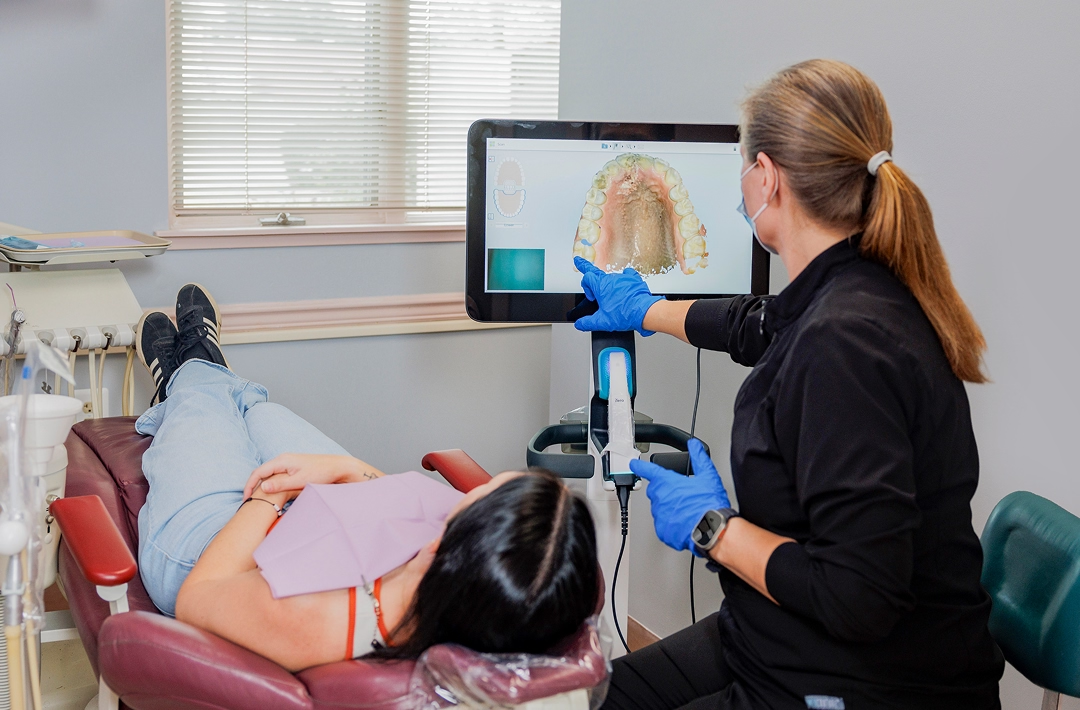
Removing a tooth isn't always the end of the story. When a tooth is extracted, surrounding teeth and jawbone can shift over time. Dr. Hinman will discuss your options for replacing the missing tooth after healing is complete. This conversation happens after the extraction, once you're recovered and ready to think about the next step.
A: The extraction is done under local anesthetic, so you won't feel pain, only pressure and movement. Dr. Hinman goes slowly and makes sure the area is fully numb before proceeding.
A: Mild soreness is normal for the first 3 to 5 days. Most patients feel significantly better by day 4 to 5. If pain worsens after day 3 instead of improving, contact us. This can be a sign of dry socket.
A: Most patients take the rest of the extraction day off. Desk work is usually fine within 24 to 48 hours. Physical labor may require a few more days of rest.
A: Soft foods for the first few days: yogurt, mashed potatoes, eggs, cooled soup, smoothies (no straw). Most patients are eating relatively normally by day 5 to 7.
A: The cost varies depending on complexity. Our front desk will give you a clear breakdown before we begin. No insurance? Ask about our membership plan or Cherry/CareCredit financing.
A: If you're receiving only local anesthetic, you're fine to drive yourself. Most simple extractions at Vineland Dental use local anesthetic only.
A: An infected tooth left untreated can spread infection to surrounding teeth and bone. Dr. Hinman will always explain the risks of delaying treatment so you can make an informed decision.