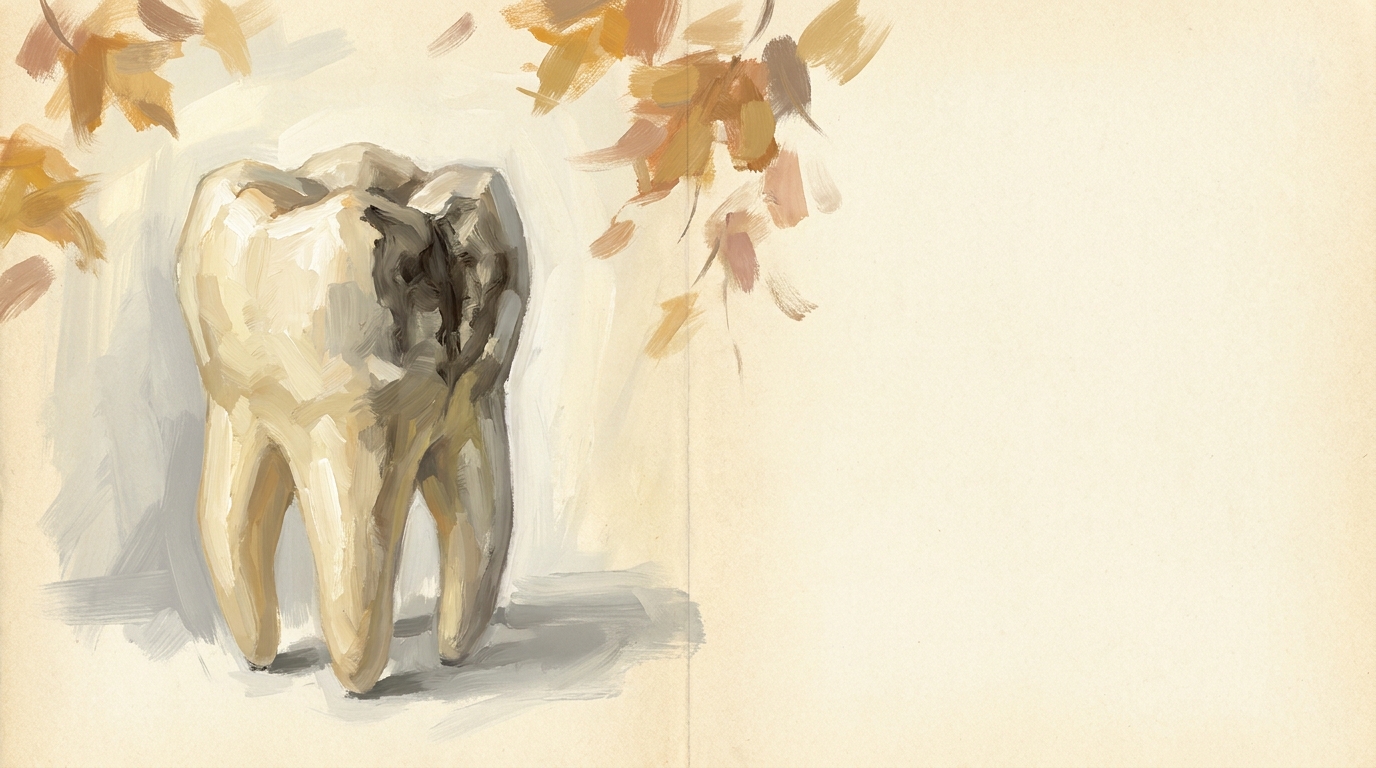
The common belief is that a badly hurting tooth is a lost tooth — pull it and move on. That is wrong more often than not. More than 15 million teeth are treated and saved each year with root canal treatment, and most teeth that feel "too far gone" can actually be kept with the right diagnosis and an X-ray.
You cannot tell from symptoms alone which treatment you need. The decision comes down to how much healthy tooth structure remains, whether the root is intact, and whether the bone around it can still hold the tooth in place. At Vineland Dental, in downtown Vineland, NJ, that call is made at the chair with imaging — not over the phone and not from a Google search.
No. Severe pain usually means the pulp inside the tooth is inflamed or infected, which is exactly what a root canal is designed to fix — not a signal that the tooth is unsavable. A dentist still needs an exam and X-rays to confirm the tooth can be restored, but pain level alone does not decide the treatment.
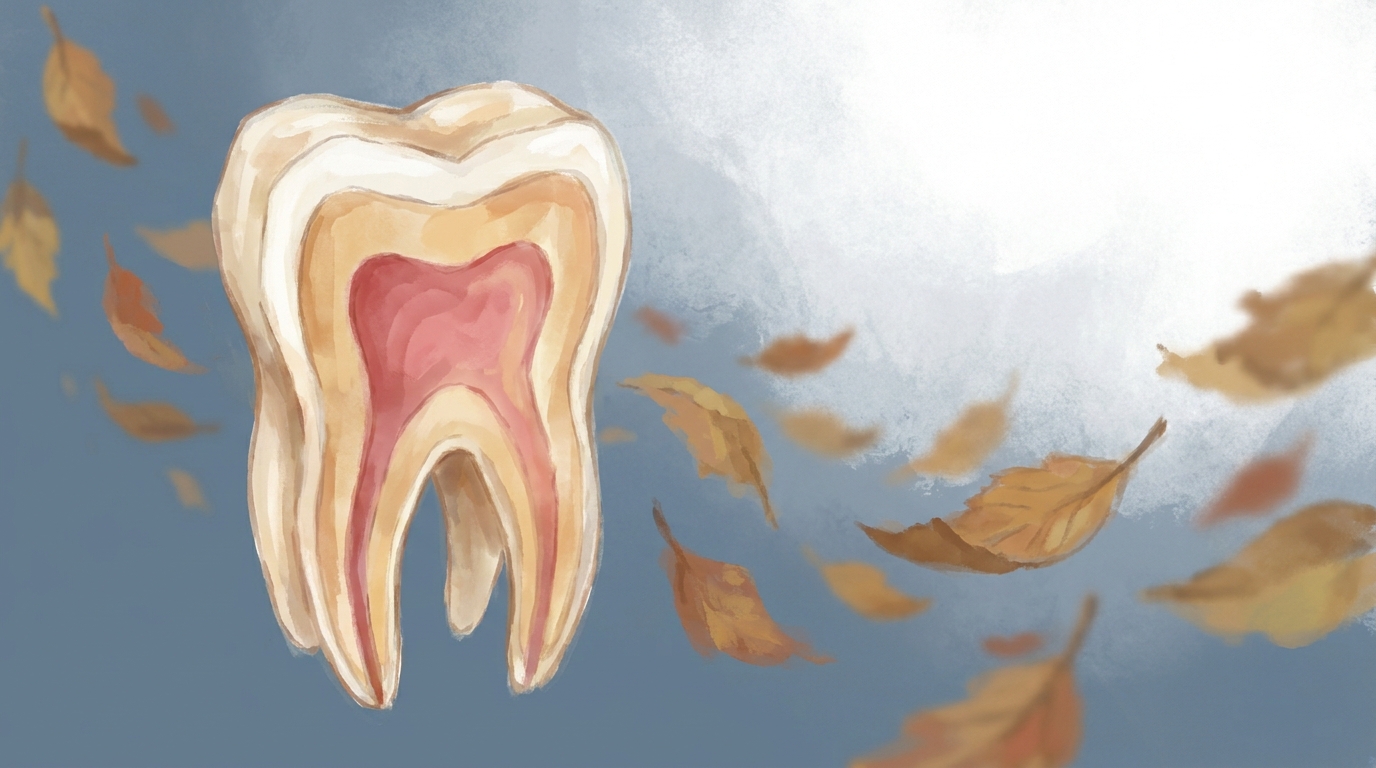
The pulp inside a tooth contains blood vessels, nerves, and connective tissue, and when it becomes inflamed or infected it produces exactly the kind of throbbing, lingering pain people assume means "pull it." Root canal treatment is necessary when the pulp becomes inflamed or infected due to causes such as deep decay, repeated dental procedures, or a crack or chip in the tooth. A traumatic injury — a slip on an icy South Jersey sidewalk in January, for example — can also damage the pulp even if the tooth has no visible chips or cracks.
The point is simple: pain is a reason to be seen, not a reason to lose a tooth.
No. A fully developed tooth can survive without the pulp because the tooth continues to be nourished by the tissues surrounding it. After a root canal, a treated tooth bites, chews, and holds its place in the arch the same way a natural tooth does — because it is one.
That matters because losing a tooth is not a neutral event. Around 178 million adults in the U.S. have lost at least one tooth, and around 40 million adults have lost all their teeth, according to the Cleveland Clinic. Losing a permanent adult tooth can lead to other oral health issues like bone loss, shifting teeth, or jaw pain. Keeping your own tooth — root, bone attachment, and all — is almost always the stronger long-term outcome when it is still possible.
A root canal is the right call when the pulp is inflamed or infected but the tooth itself still has enough solid structure to be rebuilt, and the root and surrounding bone are intact. The procedure removes the infected tissue, cleans and seals the canals, and preserves the natural tooth.
Signs that often point toward a root canal include severe pain while chewing or biting, pimples on the gums, a chipped or cracked tooth, lingering sensitivity to hot or cold even after the sensation is removed, swollen or tender gums, and deep decay or darkening of the gums. With proper care, a tooth restored after root canal treatment can last a lifetime.
Extraction is the right call when there is not enough tooth left to save, when a crack splits the tooth or runs below the gum line, when gum disease has destroyed the bone support, or when an infection is too widespread for a root canal to resolve. In those cases, trying to save the tooth will not hold.
Specifically, signs that a tooth may need extraction rather than a root canal include extensive decay leaving insufficient healthy tooth structure to support a filling or crown, a crack that extends below the gum line or splits the tooth, advanced gum disease with significant bone loss causing the tooth to become very loose, and deep or recurring infections that cannot be resolved with root canal treatment. Most teeth can be treated endodontically; a tooth cannot be saved if the root is severely fractured, lacks adequate bone support, or cannot be restored.
Dentists assess whether a tooth can be saved by reviewing X-rays, evaluating the severity of infection, determining how much healthy tooth structure remains, and checking whether sufficient bone support exists. There is no symptom-only shortcut — the imaging is the deciding factor.
Vineland Dental has been part of the Vineland community for over 26 years, and lead dentist Dr. Walter Hinman — a Temple University dental school graduate who served as a US Army dentist from 2017 to 2021, including a nearly six-month deployment aboard the USNS Comfort in 2019 — approaches these decisions the same way: look at the imaging, measure what is left, and have a straight conversation with the patient about what each path really means. Vineland Dental states that no patient leaves without understanding exactly what is happening and why. For Spanish-speaking patients in the Landis Avenue area and across Cumberland County, team members Tania and Ashley handle those conversations in Spanish.
Waiting makes almost every version of this worse. If pulp inflammation or infection is left untreated, bacteria can damage the bone that keeps the tooth connected to the jaw, putting you at risk of losing the tooth completely. Bacteria can also damage the bone that keeps the tooth connected to the jaw, which puts you at risk of losing a tooth that could have been saved a few weeks earlier.
A tooth that was a root-canal candidate in October can be an extraction case by Thanksgiving. The window to save a tooth is real, and it closes.
No. Modern root canal treatment is done under local anesthesia and is generally comparable to having a filling placed. After the procedure, some sensitivity as the area heals is normal. Extractions also use anesthesia, but recovery involves healing an open socket rather than a sealed, restored tooth.
You will not know from symptoms alone — a dentist needs to take X-rays and examine the tooth. The decision rests on how much healthy tooth structure remains, whether the root is intact, whether bone support is adequate, and how severe the infection is. Most teeth can be treated endodontically; the exceptions are severely fractured roots, inadequate bone, or teeth that cannot be restored.
Usually not, once you account for replacement. Endodontic treatment and restoration of the natural tooth are generally less expensive than tooth extraction followed by an implant or bridge. Pulling a tooth and leaving the gap can also lead to bone loss, shifting teeth, and jaw pain down the road, which creates further cost. Ask Vineland Dental for a quote based on your specific situation.
Severe pain while chewing or biting, lingering sensitivity to hot or cold even after the sensation is removed, swollen or tender gums, pimples on the gums, a chipped or cracked tooth, and deep decay or darkening of the gums are all signs to be seen promptly. Untreated pulp infection can lead to bone damage and tooth loss.
Sometimes, yes. A previously treated tooth can develop new decay, a new crack, or a deep or recurring infection that cannot be resolved with further root canal treatment. If the root fractures or bone support is lost, extraction may become the only option. Regular exams and X-rays catch these issues before they force the decision.
The honest answer to "do I need an extraction or a root canal?" is that you need an exam and an X-ray — and more often than people assume, the answer is the root canal, not the pull. Save the tooth when it can be saved; remove it when it genuinely cannot. Readers in Vineland, NJ who want this looked at by a dentist who will show you the imaging and explain what each option really means can reach Vineland Dental at (856) 205-9500 or https://vinelanddental.com to set up a visit.